We talk a lot about water in Tucson as if the problem is simply that we don’t get enough of it. That’s only part of the story. We average around 11–12 inches of rain per year, and most of it arrives in two pulses: winter storms and summer monsoons. The monsoon is the real event. When it rains, it often rains hard — sometimes over an inch per hour in short bursts.
The issue isn’t always how much rain falls. It’s how fast it runs away.
If rain falls faster than the soil can absorb it, runoff begins immediately. Water moves off yards, into streets, into storm drains, and eventually into washes. Some of it infiltrates along sandy channels, but much of it moves quickly through the system. When you see water rushing down the curb during a storm, that’s water your soil didn’t capture.
A lot of residential soil in Tucson has been graded and compacted during construction. It looks like dirt, but structurally it behaves more like brick. Compaction destroys the larger pore spaces that allow water to move downward. Infiltration rates can drop below a tenth of an inch per hour in compacted soil. Under a monsoon storm delivering one inch per hour, that means most of the rain becomes runoff.
There’s another layer to this: hydrophobic soil. After long dry periods, desert soils can develop water-repellent surfaces. Organic residues and microbial byproducts coat soil particles, and the first rain beads up instead of soaking in. You’ve probably seen it — water pooling briefly on ground that looks perfectly dry and absorbent. That initial resistance increases erosion and reduces recharge right when you need it most.
Now compare that to what happens under a mesquite tree.
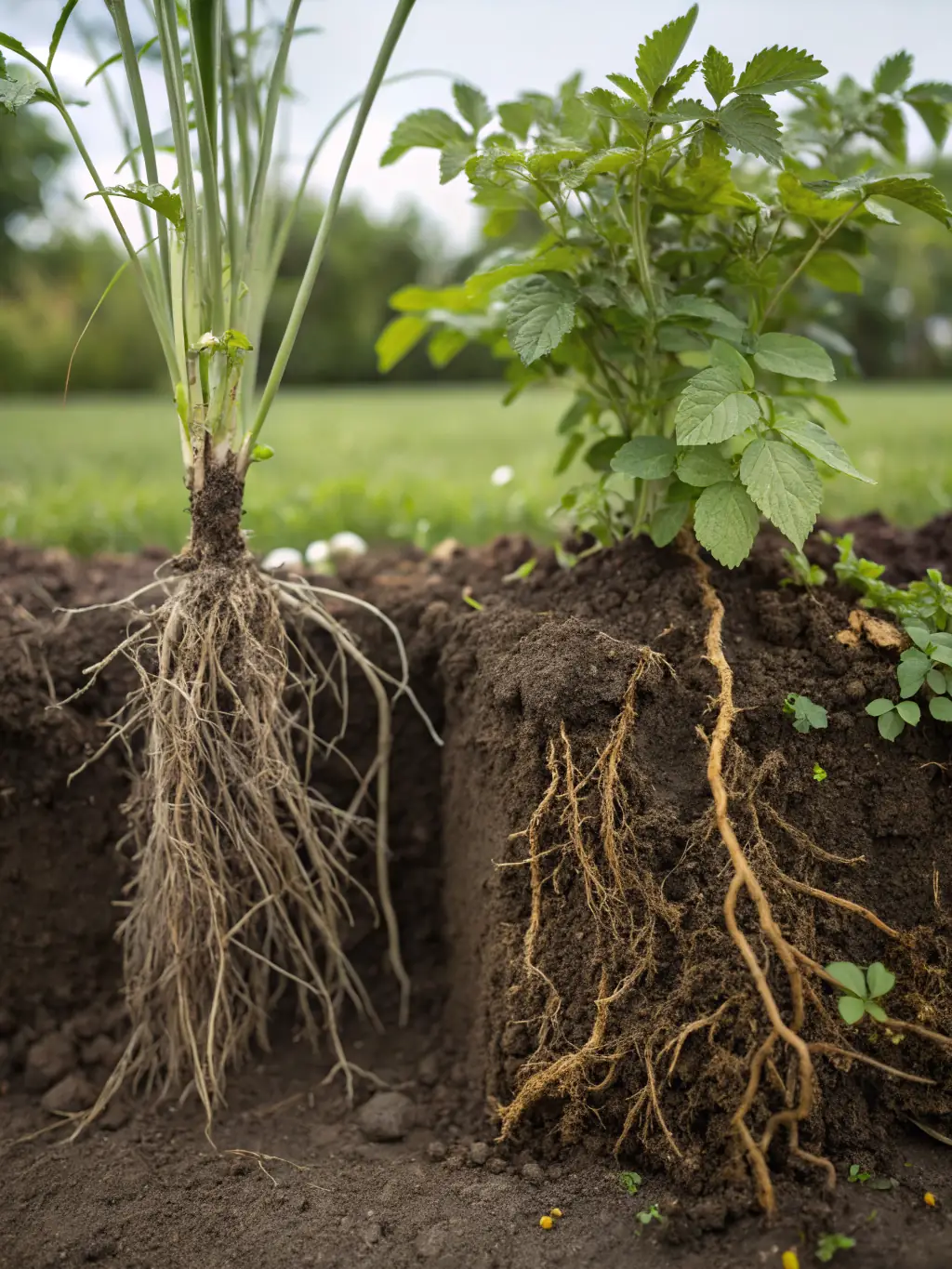
Under a mature mesquite, the soil is darker. There’s leaf litter. There’s more organic matter. The ground feels different. Mesquite roots run both deep and wide. They access moisture far below the surface and also occupy the upper soil layers. Over time, they improve aggregation and increase biological activity. Nitrogen fixation stimulates microbial growth, fungi bind soil particles into stable aggregates, and infiltration improves. Researchers call this the “resource island effect.” You can see it with your own eyes: more life, more moisture, more structure under the canopy than out in the open.
Mesquite isn’t just shade. It’s hydrologic infrastructure.
Long before storm drains and curb lines, Indigenous communities in this region engineered landscapes to work with water instead of against it. The Hohokam built extensive canal systems to spread floodwaters from the Santa Cruz River across fields. Even earlier runoff farming practices slowed sheet flow and encouraged infiltration across broad areas. The principle was simple and practical: slow the water, spread it out, let it sink.
That principle still applies in a backyard.
For gardeners, this isn’t abstract hydrology. It’s soil structure and plant health. When water infiltrates deeply, roots follow. Microbes stay active longer. Evaporation decreases. Trees stabilize microclimates. When water runs off, none of that happens. You get erosion, crusting, and dry soil a few days later.
So what does this mean in practical terms?
First, observe your yard during a storm. Where does water move? Where does it pool? Where does it escape? That tells you everything.
Second, build shallow basins around trees and planting areas. Even a few inches of depression slows water long enough for infiltration to begin.
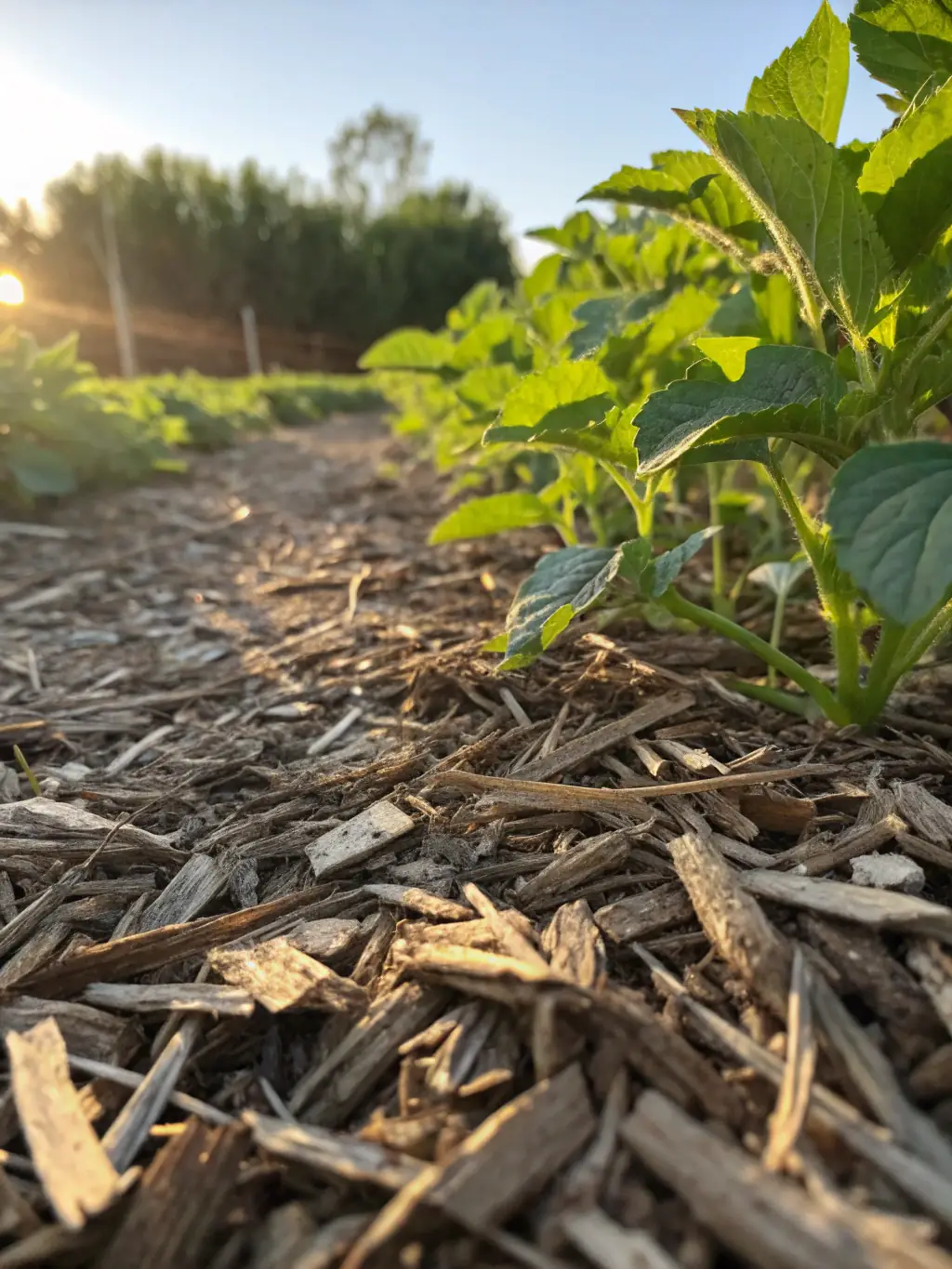
Third, keep soil covered. Mulch reduces surface sealing and buffers against hydrophobic conditions. Compost increases organic matter, which improves aggregation and water-holding capacity over time.
Fourth, plant deep-rooted native trees intentionally. Mesquite, palo verde, ironwood — these aren’t just ornamental choices. They change soil physics.
Finally, test your infiltration. A simple ring test — pouring a measured amount of water into a small ring inserted into the soil and timing how long it takes to soak in — tells you your baseline. If your soil infiltrates less than half an inch per hour, improvement is possible and worth pursuing.
Tanks and cisterns have their place. But the largest, most resilient storage system available to us is living soil. Water stored in soil feeds trees, microbes, and food systems. It moderates temperature and reduces long-term irrigation demand. It builds stability instead of dependency.
The best place to store water in Tucson isn’t just in a container.
It’s in the ground.