A formal overview of why mushrooms matter underground, why that matters especially in dry landscapes, and how mushrooms connect soil health, food, medicine, agriculture, biotechnology, and culture.
Prepared as a college-level overview for novice readers and potential customers. Primary focus: the importance of mushrooms in soil, especially in the Southwest United States.
Secondary focus: current applications in food, medicine, agriculture, biotechnology, and regional culture Important scope note: this report is about mushrooms and mushroom-forming fungi, not all fungi broadly.
April 18, 2026
Executive Summary
Why this report matters. In dry landscapes, mushrooms are not just occasional rain-season curiosities. They are visible signs of larger underground systems that recycle organic matter, connect to plant roots, influence soil structure, and help determine how efficiently scarce water and nutrients move through an ecosystem. In the Southwest United States, where productivity is constrained by heat, drought, salinity, and strong wet-dry cycles, those underground functions are disproportionately important.
Five takeaways summarize the rest of the report. First, the mushroom that appears above ground is only the temporary fruiting body of a much larger organism that usually spends most of its life as mycelium in soil, litter, or wood [1,11]. Second, many mushroom-forming species are ectomycorrhizal partners of trees, extending the effective reach of roots and altering nutrient and, in some cases, drought responses [1,3,5].
Third, other mushrooms are decomposers that break down litter, woody debris, and other plant remains, accelerating nutrient return to soil and influencing carbon cycling [1,2]. Fourth, in the Southwest, summer monsoon pulses, orchard systems, drought-prone shrublands, and post-fire landscapes make these processes unusually visible and economically relevant [6,7,8,9]. Fifth, mushrooms matter to people not only as wild organisms but also as foods, traditional medicines, modern biomedical subjects, agricultural allies, and feedstocks for new biomaterials and biotechnologies [10,11,15,20,21].
A second point is just as important: many popular statements about “fungi in soil” are really statements aboutfungi in general, not mushrooms specifically. Some of the best-known soil-health mechanisms in the scientific literature concern fungal groups that usually do not make what lay readers would call mushrooms. This report deliberately narrows the discussion to mushrooms and mushroom-forming fungi. Where a soil process is supported by broader fungal evidence, the report says so explicitly instead of quietly extending a claim beyond the evidence [4].
At a glance
Best one-sentence summary: mushrooms are critical to soil because they help plants forage, help ecosystems decompose, and help dryland landscapes recover and reorganize after stress [1–6].
Best Southwest example: recent work in pecan orchards across New Mexico, Arizona, West Texas, and California documented both ectomycorrhizal and saprotrophic mushroom taxa with plausible roles in drought resilience, nutrient uptake, and orchard soil health [7].
Best consumer-facing insight: mushrooms convert low-value plant matter into high-value food, flavor, medicinal compounds, and biomaterials while leaving a much lighter resource footprint than many animal-derived products [11,20,21].
Best caution: medicinal and psychedelic interest is real, but evidence quality varies sharply by species and product, and safety, legality, and supplement quality issues remain significant [15–19].
1. Scope, Definitions, and Why Soil Comes First
In ordinary speech, “mushroom” often means a cap-and-stem edible bought at a grocery store. In ecology, the word has to be handled more carefully. A mushroom is the conspicuous reproductive structure of a larger fungus, usually formed when environmental conditions are right for spore production. The enduring organism is mostly hidden: hyphae and mycelium spread through soil, litter, dead wood, living roots, or buried organic material. That distinction matters because the biological significance of mushrooms is mostly underground and mostly invisible [1,11].
This report therefore uses “mushrooms” in a scientifically practical way: it includes the fruiting bodies and the underground mycelial systems of mushroom-forming fungi, including familiar epigeous mushrooms and some truffle-like underground fruiting forms. It excludes claims that depend mainly on non-mushroom fungi unless those claims are framed as wider fungal context. That keeps the report accurate while still giving a useful overview for non-specialists.
Why soil is the organizing theme: For mushrooms, soil is not just a place to stand. It is the operating environment where mycelium forages, trades nutrients with roots, releases enzymes, binds particles, hosts microbes, and responds to wet–dry pulses. In practical terms, the importance of mushrooms in food, agriculture, forestry, and land stewardship begins below ground, not onthe dinner plate.
Because your requested audience includes novice readers and potential customers, soil is also the most effective entry point. Food, medicine, and biotechnology often feel like separate mushroom stories. In reality they are downstream outcomes of a single core fact: mushrooms are expert converters and connectors. They connect plants to soil resources, connect dead organic matter back into nutrient cycles, and connect low-value biomass to higher-value products [1–3,11,20].
2. Why Mushrooms Matter in Soil: The Core Science
2.1 The mushroom is the visible tip of a much larger underground system
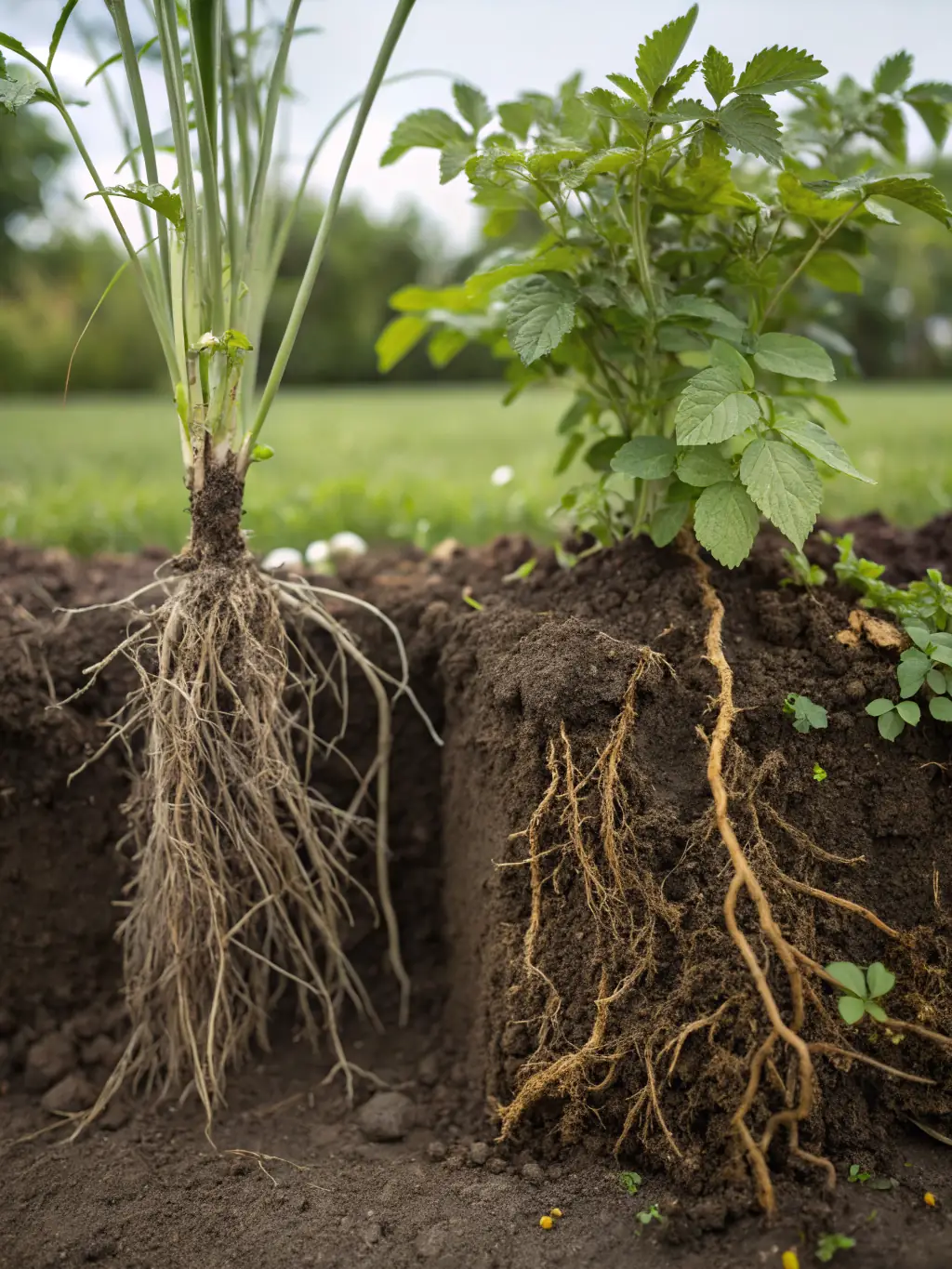
John Cairney’s classic review remains one of the clearest starting points for understanding mushroom significance in soil. Basidiomycete mycelia—the underground networks produced by many familiar mushroom-forming fungi—are widespread in forest soils and perform multiple ecological functions, from nutrient acquisition to spatial redistribution of resources [1]. That means the mushroom seen after rain is less like a whole organism appearing suddenly and more like a temporary reproductive structure emerging from an already established underground infrastructure. For non-specialists, this is the conceptual shift that makes the rest of mushroom ecology make sense.
The practical implication is that absence of visible mushrooms does not mean absence of mushroom activity. In arid and semi-arid regions this is especially important. The mycelium may remain metabolically constrained or nearly invisible for long periods, then respond rapidly to moisture, temperature, and plant cues. The fruiting body is therefore only one moment in a much longer underground story.
2.2 Mycorrhizal mushrooms extend the effective reach of plant roots
Many ecologically important mushrooms in wooded landscapes are ectomycorrhizal. Their hyphae sheath or
connect with fine roots and explore volumes of soil that roots alone would not exploit as efficiently. This
expands the absorbing surface area available to the plant and changes how nutrients are acquired, especially
nitrogen and phosphorus, while also influencing water relations and drought performance in some systems
[1,3,5]. The relationship is not a vague “partnership with trees”; it is a functional trading system in which
plants provide carbon and the fungus helps access patchy soil resources.
Formal overview April 18, 2026 Page 3Mushrooms and Living Soil | Southwest U.S.
A strong reason to emphasize mushrooms in a Southwest-focused report is that resource access is the central
ecological problem of dry landscapes. Trees and shrubs in moisture-limited habitats are not only competing
for water; they are also coping with pulses of nutrient release, high spatial heterogeneity, salinity in some
managed systems, and strong seasonal stress. Mycorrhizal mushroom-forming fungi matter because they
change the geometry of access. They effectively make the soil larger from the plant’s perspective [5,6].
This point should be stated carefully. The scientific literature does not support a simplistic claim that
mycorrhizal mushrooms always increase plant water uptake in every context. Lehto and Zwiazek’s review is
clear that the evidence is mixed and mechanism-specific. The strongest and most defensible statement is that
ectomycorrhizal systems alter water relations through changes in exploration distance, root structure, nutrient
status, and sometimes hydraulic behavior, with outcomes depending on fungal species, host species, and field
conditions [5]. That is still an important conclusion, especially for drought-prone regions.
2.3 Saprotrophic mushrooms are expert recyclers of difficult plant matter
If mycorrhizal mushrooms are foragers, saprotrophic mushrooms are recyclers. They break down leaf litter,
woody debris, humified material, dung, and other dead organic matter. Floudas and colleagues showed how
much hidden functional diversity exists among litter-decomposing mushroom-forming fungi; the generic
label “decomposer mushroom” masks major differences in how species attack cellulose, hemicellulose,
lignin, and other components of plant tissue [2]. In simple terms, mushrooms do not all rot things the same
way.
This matters to soil because decomposition is how ecosystems reopen locked nutrient capital. Without
decomposer activity, plant residues accumulate faster than their nutrients are returned. With decomposer
activity, carbon is transformed, nutrients are mineralized or repositioned, microbial communities shift, and
new soil organic matter pathways emerge. The upper layers of many terrestrial soils are therefore strongly
shaped by the work of litter-decomposing mushroom-formers [2].
For Southwest readers, the key idea is that decomposition does not happen at a constant rate. It is pulse-
driven. Heat, dryness, and irregular moisture mean that the timing of fungal activity matters almost as much
as its total amount. A storm season can suddenly activate decomposition, nutrient release, and fruiting. In
managed orchards or mulched systems, that can affect both soil quality and the visible abundance of
mushrooms [7,8].
2.4 Mushroom-forming hyphae help shape soil structure and habitat
Soil is not only chemistry; it is also architecture. Hyphae physically thread through soil and organic particles,
contribute to aggregate formation, and change the microhabitats available to bacteria, microarthropods, and
roots. The broader fungal literature, including trait-based work by Lehmann and colleagues, shows that
fungal biomass density, morphology, and enzymatic traits can be important for soil aggregation [4]. Not
every aggregation mechanism described for all fungi can be assigned specifically to mushrooms, but it is
reasonable to conclude that mushroom-forming hyphae are among the fungal structures that help stabilize the
physical organization of soil [1,4].
That physical organization has downstream effects. Better aggregation usually means better pore continuity,
altered water infiltration and storage behavior, reduced erosive vulnerability, and more protected microsites
for organic matter and microbes. In formal soil science terms, mushrooms are therefore not just biological
actors; they are part of the machinery that helps determine soil structure and function.
Formal overview April 18, 2026 Page 4Mushrooms and Living Soil | Southwest U.S.
Formal overview April 18, 2026 Page 5
2.5 Mushrooms influence carbon cycling and the soil food web
A useful corrective to older textbook thinking is that mycorrhizal and saprotrophic roles are not entirely
separable when one asks what happens to carbon in soil. Phillips and colleagues demonstrated that
ectomycorrhizal fungi can contribute directly to soil organic matter cycling rather than merely shuttling
nutrients to plants [3]. More recent work also shows that ectomycorrhizal fungi can restructure bacterial
communities and soil food webs [3]. The basic takeaway is that mushroom-forming fungi are not passive
passengers in the rhizosphere. They are active ecosystem engineers.
For customers or land stewards, the practical translation is straightforward: a mushroom-rich landscape often
signals more than “healthy biodiversity” in a vague sense. It may indicate active nutrient exchange, active
organic matter turnover, or both. That does not mean every mushroom is beneficial in every context; some
are pathogenic or indicate excess moisture or decaying wood in managed settings. But in broad ecological
terms, mushrooms are among the organisms that help decide whether carbon stays locked, is released, is
recaptured, or is redirected into new biomass [1–4].
2.6 Summary table: how mushrooms help Southwestern soils
| Soil function | |||
| Root foraging | |||
| Decomposition | |||
| Soil architecture | |||
| Carbon cycling | |||
| Drought adaptation | |||
Some mycorrhizal systems
exploit deeper or spatially
patchy resources
Bedrock-stored water and
seasonal drought are central
ecological constraints
Egerton-Warburton et al. 2003
3. Why the Southwest United States Is a Distinctive Mushroom Story
The Southwest can seem like an unlikely place to emphasize mushrooms because casual observers associate mushroom abundance with wetter forests. That intuition is understandable but incomplete. The Southwest is a region where mushrooms are often ecologically decisive precisely because water is scarce, rainfall is seasonal, and biological opportunities arrive in pulses. When rainfall comes—especially during the summer monsoon—it can trigger conspicuous flushes of fruiting and equally important bursts of underground activity [8].
According to University of Arizona reporting grounded in regional climate science, the monsoon officially runs from June 15 through September 30 and typically contributes a substantial share of annual warm-season rainfall to the arid southwestern United States [8]. For mushrooms, this means timing is everything. The monsoon is not just a weather season; it is a biological scheduling mechanism that regulates fruiting opportunities, decomposition windows, and some of the most visible interactions between mushrooms, plants, and soil.
3.1 Dry landscapes can make fungal partnerships more, not less, important
One of the most useful Southwest-specific studies for understanding this point is Egerton-Warburton, Graham, and Hubbert’s work in a seasonally drought-stressed chaparral community. They documented mycorrhizal hyphae deep within a soil–weathered bedrock profile and linked fungal presence to the possibility that plants were exploiting bedrock-stored water during summer drought [6]. Although the system they studied included both ectomycorrhizal and other mycorrhizal types, the broader lesson is highly relevant to mushroom-forming fungi: in dry environments, fungal hyphae help organisms exploit spatially hidden resources that roots alone may not efficiently capture. This is exactly the kind of result that matters in the Southwest. Water is not merely scarce; it is patchy in space and time. Soil profiles are complex. Coarse textures, fractured substrates, and short-lived moisture pulses create a landscape in which exploration networks have unusually high value. Mushrooms matter because their underground systems are built for exploration.
3.2 Orchard systems show that mushrooms matter in managed Southwestern soils too
The most directly relevant current paper is the 2025 survey of mushrooms in pecan orchards across New Mexico, Arizona, West Texas, and California. Stock and colleagues documented 31 distinct mushroom taxa and argued that both ectomycorrhizal and saprotrophic species likely contribute to orchard ecosystem health [7]. They specifically noted potential roles in drought and salt tolerance, nutrient absorption, disease resistance, organic matter breakdown, and overall soil quality. For a Southwest-focused report, this study is important for two reasons. First, it shows that mushrooms are not confined to “wild” forests; they are part of real agricultural landscapes that matter economically. Second, it demonstrates that arid and semi-arid orchard systems can support a meaningful diversity of mushroom-forming fungi. The study identified common ectomycorrhizal taxa such as Pisolithus and Scleroderma, as well as saprotrophs associated with orchard soils and residues [7]. That is significant because pecan production in the Southwest has to manage salinity, irrigation, heat, and soil constraints. Mushroom communities are therefore not a side curiosity; they may be part of resilience itself.
3.3 Post-fire mushrooms are part of western recovery dynamics
Another Western and Southwest-relevant story is the ecology of morels. Forest Service syntheses emphasize that morels can fruit abundantly in some post-fire landscapes and have become an economically important non-timber forest product in western North America [9]. This fact is often presented as a fun oddity, but it has deeper significance. Fire resets substrate conditions, nutrient availability, competition, and canopy structure. Mushrooms that respond to fire are therefore indicators of ecological transition and recovery, not just foods for opportunistic foragers. For the Southwest, where severe fire and fire management are major land-use issues, post-disturbance mushrooms deserve more attention than they usually get in public conversation. They remind land managers that below-ground biological recovery does not simply mirror above-ground greenness. Mushrooms can be among the first visible signs that decomposition, nutrient repositioning, and successional change are underway [9].
3.4 Desert truffles show that “mushroom agriculture” can be designed for arid regions
Desert truffles are especially useful for a Southwest-centered overview because they overturn the stereotype
that prized edible mushrooms belong only to cool, humid forests. Morte and colleagues describe desert
truffles as edible hypogeous fungi well suited to arid and semi-arid zones and argue that they represent a
plausible niche crop for marginal environments [10]. In the Mediterranean, Middle East, and North Africa
they are valued both culinarily and medicinally, and efforts to domesticate them are accelerating as climate
pressure and land constraints increase [10].
The Southwest is not identical to those regions, but the comparison is instructive. It suggests that the future
of mushroom relevance in drylands may include more deliberate integration into arid agriculture, restoration,
and specialty food systems. In other words, the Southwest mushroom story is not only about foraging after
rain. It is also about design, adaptation, and land-use innovation.
Southwest takeaway
In wetter regions, mushrooms can seem abundant but replaceable. In the Southwest, they are often less visible yet
more strategically important. Their value lies in helping plants and soils cope with scarcity, variability, and
disturbance.
4. Mushrooms as Food — and the Limited but Real Fermentation
Connection
For most readers, mushrooms first enter daily life as foods. That is a good starting point, but a shallow one. Mushrooms are important as food not merely because they are edible, but because they convert low-value plant residues and organic substrates into biomass rich in flavor compounds, useful micronutrients, and distinctive textures. Feeney and colleagues describe mushrooms as nutritionally unique enough to be discussed as part of a “third food kingdom” alongside plants and animals [11]. That framing is valuable for consumers because it explains why mushrooms do not fit neatly into standard categories. Nutritionally, mushrooms contribute riboflavin, niacin, pantothenic acid, selenium, copper, potassium, and other nutrients, while remaining relatively low in calories. Their culinary importance, however, goes beyond nutrient tables. Mushrooms are major natural sources of umami and are unusually effective at adding savory depth while allowing lower meat usage or lower sodium reliance in some recipes [11]. For potential customers, that matters because mushrooms solve a practical problem: they make food feel substantial without requiring the resource intensity of animal protein.
4.1 Vitamin D and ergothioneine are two of the most interesting nutrition stories
Mushrooms are especially notable for ergosterol-derived vitamin D2. When exposed to ultraviolet light, many cultivated mushrooms can produce meaningful quantities of vitamin D2, and the evidence base supporting this phenomenon is now mature enough to be considered well established [12]. For customers in sun-rich regions this is a particularly interesting irony: the same Southwest sunlight associated with heat stress can also be used post-harvest to increase one of mushrooms’ most distinctive nutrients. Another frequently discussed compound is ergothioneine, a sulfur-containing antioxidant concentrated in mushrooms and certain other foods. The current state of evidence is promising but not final. Martin’s early mechanistic work, including research conducted at Arizona State University, and later reviews suggest that ergothioneine may have biologically meaningful antioxidant and cardiometabolic relevance, but clinical claims should remain restrained until stronger human outcome data accumulate [13,14]. This is a good example of how mushrooms can be nutritionally exciting without being oversold.
4.2 A mushrooms-only report has to be honest about fermentation
Fermentation is important in the world of fungi, but mushrooms are not the main actors in many classic fermented foods. Bread, beer, wine, many soy fermentations, cheeses, and numerous industrial fermentations depend primarily on yeasts or molds rather than mushroom fruiting fungi. In a mushrooms-only report, it would be inaccurate to treat fermentation as a central mushroom function. That said, the connection is not zero. Mushrooms appear as ingredients in fermented condiments and preserved foods; mushroom cultivation can rely on composted or biologically conditioned substrates; and mushroom-forming fungi are powerful decomposers that can transform ignocellulosic agricultural waste into edible biomass and industrially relevant enzymes [20]. So the more accurate statement is this: fermentation is peripheral to mushroom significance as food, but substrate conversion and biomass upgrading are absolutely central [11,20].
4.3 Food significance in the Southwest
In the Southwest, mushroom food culture has three layers. The first is mainstream culinary use: fresh cultivated mushrooms, specialty mushrooms, and mushroom-based products sold into restaurants, grocery markets, and wellness markets. The second is wild seasonal interest, especially around monsoon fruiting and occasional prized edibles such as morels. The third is emerging niche potential in arid-adapted systems, including desert truffles and regionally branded specialty products [8–10]. These layers matter commercially because they connect ecology directly to customer experience.
5. Medicine: Historical Use, Modern Evidence, and Necessary Caution
The medical history of mushrooms is both ancient and modern. It is ancient because mushrooms have been
used in healing traditions for centuries or millennia in multiple cultures. It is modern because some
mushroom-derived products are now studied in clinical and preclinical frameworks, and a few have formal
therapeutic roles in particular national systems. The key to writing this section responsibly is to separate
historical use, current evidence, and speculative marketing. These are not the same thing.
5.1 Historical medical use
One of the most famous historical examples is Ötzi the Iceman, whose equipment included birch polypore. Modern papers discussing this species refer to its association with the Iceman and to long traditions of antiseptic and medicinal use [28]. That does not prove what Ötzi intended every time he carried it, but it does show that mushrooms have occupied a medicinal role deep in human history. Formal overview April 18, 2026 Page 8Mushrooms and Living Soil | Southwest U.S. The stronger and better documented historical tradition, however, comes from Asia. The National Cancer Institute’s PDQ summary notes that medicinal mushrooms have been used for hundreds of years, mainly in Asian countries, and that mushrooms such as reishi, turkey tail, shiitake, and maitake are among the most prominent species in that tradition [15]. This historical continuity matters because it shaped which mushrooms entered formal clinical research later.
5.2 Modern evidence: where the case is strongest
The best-supported conventional medical story is not that “mushrooms cure cancer.” That phrase is inaccurate and scientifically irresponsible. The more careful statement is that certain mushroom-derived preparations, particularly polysaccharide-rich products such as PSK from turkey tail, have been used as adjuncts to standard cancer care in Japan and China for decades and have generated a clinical literature suggesting benefit in specific settings [15]. The PDQ summary notes that PSK has been used in Japan since the mid-1970s and has an established safety record in that context [15]. Even here, nuance matters. Mushroom extracts are not interchangeable with eating whole mushrooms, and results from one species, one extract, or one national treatment context should not be generalized to all mushroom products. Reishi, turkey tail, shiitake, maitake, birch polypore, and psilocybin-containing mushrooms belong in very different evidence categories. Good reporting has to preserve that distinction.
5.3 Psilocybin mushrooms: active research, not settled medicine
Psilocybin is the most publicly discussed mushroom-related medical topic today. That attention is not imaginary. Clinical research, including a 2021 randomized trial in JAMA Psychiatry, reported promising antidepressant effects of psilocybin-assisted therapy in major depressive disorder [16]. Federal agencies are also taking the research seriously enough that the FDA issued draft guidance in 2023 on psychedelic drugs for clinical investigations [17]. NCCIH similarly describes growing research interest in psilocybin for depression, addiction, anxiety, and pain-related conditions while emphasizing significant safety and legal constraints [18]. Still, promising is not the same as approved. In the United States, psilocybin remains an investigational and federally controlled substance, and claims that it is already a routine or fully validated medicine are premature [17,18]. Moreover, psilocybin-assisted therapy is not simply “take a mushroom and feel better.” The model being studied involves highly controlled screening, dosing, preparation, monitoring, and psychotherapy support. That is very different from casual, unsupervised, or product-marketed use [16–18].
5.4 Safety and quality issues
A second reason for caution is product quality and species confusion. Supplement categories are unevenly regulated, extracts vary, and evidence often does not transfer cleanly from one formulation to another. Wild identification mistakes can be fatal. In late 2024, the FDA explicitly warned that Amanita muscaria and certain related constituents are not authorized for use in conventional food and may be harmful [19]. This reminder is useful because mushroom enthusiasm can outrun regulatory reality. For readers at a novice level, the safest summary is this: historical use is real, modern clinical interest is real, and some mushroom products have meaningful evidence in specific settings; but mushrooms are not a single therapeutic category, and claims must be judged species by species, extract by extract, and indication by indication [15–19].
5.5 Snapshot table: historical use versus current evidence
| Mushroom or product | |||
| Turkey tail / PSK | |||
| Reishi | |||
| Shiitake | |||
| Birch polypore | |||
| Psilocybin mushrooms | |||
Sacred and ceremonial use in
parts of Mesoamerica
Strong research interest; still
investigational and legally
constrained
Potentially important future
therapy, but not settled
standard care
6. Agriculture, Land Stewardship, and Biotechnology
Mushrooms matter in applied systems because they are unusually good at converting messy, fibrous, low-
value material into useful products or ecological services. In agriculture, that can mean root symbiosis, litter
decomposition, soil improvement, and crop co-benefits. In biotechnology, it can mean enzymes, extracts,
biomaterials, remediation, or alternative-food platforms. The common denominator is not magic. It is
metabolic versatility.
6.1 Agriculture and orchard resilience
In the Southwest, pecan orchards provide the clearest current case study. Stock and colleagues’ 2025 work suggests that mushroom-forming taxa in orchard soils deserve more serious attention as contributors to nutrient absorption, drought and salt tolerance, disease resistance, and soil organic matter turnover [7]. The implication for agriculture is that mushrooms should not automatically be treated as incidental or problematic whenever they appear after irrigation or rainfall. In many cases they are evidence of a biologically active soil system.
That does not imply that every orchard manager should inoculate blindly or celebrate every sporocarp.
Applied use of mushrooms in agriculture must still be species-aware, host-aware, and site-aware. But the
general direction of evidence is clear: mushrooms can be part of how arid agriculture builds resilience rather
than merely a sign of transient moisture.
6.2 Using waste streams as mushroom substrate
A major practical strength of mushroom cultivation is its compatibility with agricultural by-products. Kumla and colleagues review the use of agro-industrial wastes as substrates for mushroom cultivation and for theMushrooms and Living Soil | Southwest U.S. production of lignocellulolytic enzymes [20]. This is commercially and ecologically significant because crop residues, food-processing by-products, and other lignocellulosic wastes are abundant, difficult to manage, and often underused. Mushrooms can partially solve that problem by upgrading wastes into food, extracts, enzymes, or soil amendments [20].
This matters in the Southwest because water-limited agriculture already depends on efficiency. Any biological system that can help extract more value from residues, reduce disposal burdens, and create saleable products deserves attention. Mushrooms fit that description unusually well.
6.3 Mushroom biomaterials and mycelium composites
One of the most visible new biotechnology applications is the growth of mycelium-based composites. Sydor and colleagues describe these materials as engineering products made from lignocellulosic by-products bonded by fungal mycelium [21]. In public discussion these are often marketed as “mushroom packaging,” “mushroom leather,” or “mushroom insulation.” The terminology can be loose, but the central idea is accurate: mushroom-forming species and their mycelia can bind plant residues into lightweight, biodegradable materials [21].
For a customer-facing overview, the main significance is symbolic as much as technical. Mushroom biotechnology shows that mushrooms are not just harvested organisms; they are platform organisms. They can move value across sectors: from soil ecology to food, from food to supplements, from waste to packaging, and from decomposition biology to industrial design.
6.4 Mycoremediation: promising, real, and easy to oversell
Mushrooms are frequently invoked in discussions of bioremediation because many wood-decay and litter-decay species produce oxidative enzymes capable of transforming stubborn compounds. Recent work on armillarioids, for example, explicitly frames these mushroom-forming fungi in terms of mycoremediation potential [22]. That said, remediation claims are among the easiest mushroom claims to exaggerate. Laboratory potential does not automatically equal field-ready cleanup technology. The sound conclusion is that mushroom-forming fungi are credible tools in some remediation contexts, especially when the problem involves organic pollutants and lignin-like chemistry. The unsound conclusion is that one can scatter mushrooms onto any contaminated site and expect a turnkey solution. The first statement belongs in a formal report; the second belongs in marketing folklore.
7. History and Culture — Separate from Myth, Still Essential
A report that focuses mainly on current science can still make room for history and culture, because mushrooms have always been more than biochemical actors. They are seasonal foods, medicines, trade goods, ritual objects, and markers of place. In the Southwest United States, the documentary record is uneven. There is important Indigenous and local knowledge, but the published, easily citable literature is stronger for adjacent California and northern/central Mexico than for the U.S. Southwest taken as a whole. A responsible report should say that plainly rather than pretending the record is equally dense everywhere.
7.1 Indigenous and traditional knowledge in the broader region
Anderson and Lake’s work on California Indian ethnomycology is especially valuable because it ties mushrooms not just to food and medicine but to landscape management, including intentional burning practices that shaped mushroom habitats [23]. This is directly relevant to Southwestern thinking because it demonstrates that mushroom abundance and use are not merely passive gifts of nature. They can be influenced by stewardship, fire, timing, habitat knowledge, and intergenerational observation.
To the south, ethnomycological work in Mexico documents very detailed mushroom classification systems and sustained cultural use. Reyes-López and colleagues showed that Nahua communities in Tlaxcala identify mushrooms as a distinct category and classify them using ecological, morphological, sensory, and practical criteria [24]. Hernández Santiago and colleagues documented similarly rich traditional knowledge among Mixtec communities in southeastern Mexico [25]. These studies matter for a Southwest-oriented report because the Southwest is culturally and ecologically entangled with northern Mexico. Mushroom knowledge did not evolve along modern political boundaries.
7.2 Food, medicine, and identity
Culturally, mushrooms often occupy a dual role: they are both ordinary and extraordinary. Ordinary, because many communities treat seasonal edible mushrooms as food like any other valued ingredient. Extraordinary, because sudden fruiting, unusual forms, toxicity risks, and psychoactive species have made mushrooms objects of special respect or suspicion. That duality persists today. In urban markets mushrooms can be branded as gourmet, medicinal, sustainable, or mysterious all at once.
For potential customers, this cultural depth matters commercially. Mushrooms are one of the rare product categories that can be sold honestly through several value frames at once: flavor, health, sustainability, novelty, seasonality, and place. The strongest mushroom businesses tend to understand that they are not selling only a commodity; they are selling a story with ecological credibility behind it.
8. Myths, Folklore, and Symbolic Meanings — Not the Same as Science
Boundary line
This section is intentionally separate. Folklore can be historically important and culturally rich without serving as
scientific proof. The point here is not to dismiss mushroom myths; it is to keep categories clear.
8.1 Fairy rings
Fairy rings are the classic example of a mushroom story in which folklore and ecology coexist without
becoming identical. According to longstanding European folk explanations, mushrooms in a circle marked
the dancing place of fairies or other supernatural beings. Modern mycology explains the pattern more
plainly: the underground mycelium expands outward in a circle, exhausting nutrients near the center and
fruiting around the advancing edge. Utah State University’s Intermountain Herbarium gives a concise public
explanation of this process [26].
The important point is that folklore often preserved careful observation even when the causal explanation
was supernatural. People correctly noticed that some mushrooms appear in rings, recur in the same places,
and interact with vegetation patterns. Science changed the explanation, not the observational fact.
8.2 Sacred mushrooms
Psilocybin-containing mushrooms have ceremonial and sacred significance in parts of Mexico and Central America, and modern federal health sources acknowledge this long history [18]. In a formal report, the Formal overview April 18, 2026 Page 12Mushrooms and Living Soil | Southwest U.S. critical distinction is that sacred use is a cultural and historical fact, whereas modern therapeutic claims are scientific questions to be tested. They can be related without being collapsed into each other.
8.3 Why mushrooms attract myth so easily
Mushrooms invite myth because they are intermittent, often appear suddenly after rain, can be beautiful or grotesque, and include both food and poison. They emerge from hidden networks and disappear quickly. Symbolically, they sit at the border between life and decay, nourishment and danger, the visible and the unseen. Few organisms are as naturally suited to folklore.
9. Strange, Rare, and Underappreciated Facts
A good overview should preserve some of the wonder without drifting into exaggeration. The following examples are unusual but well grounded in published or official sources.
Some mushroom-forming fungi may exploit surprisingly deep substrates in drought-prone landscapes. In the chaparral study discussed earlier, mycorrhizal hyphae were recovered to depths greater than 200 cm in a soil– weathered bedrock profile [6].
Wildfire can trigger commercially valuable morel flushes in western forests, making mushrooms an economically visible part of post-disturbance ecology [9].
Desert truffles are true edible fungal fruiting bodies adapted to arid and semi-arid zones and are being developed as crops for marginal lands [10].
Ultraviolet exposure can increase vitamin D2 in cultivated mushrooms after harvest, making mushrooms unusual among whole foods [12].
The “Texas Star” or “Devil’s Cigar” (Chorioactis geaster) is one of the rarest and strangest mushrooms in North America. Texas Parks and Wildlife describes it as a rare species known from only a handful of places worldwide and notes its dramatic opening behavior and hissing spore release [27].
The medicinal-history aura around birch polypore is not just modern branding. Scientific papers explicitly reference the species as the “Iceman’s fungus” because of its association with Ötzi [28].
A 2025 survey in Southwestern pecan orchards reported not only familiar genera but also regionally distinctive finds such as Agaricus deserticola, showing that managed arid landscapes can host mushroom communities with local character [7].
10. What This Means for Readers, Customers, Growers, and Land Stewards
For general readers, the biggest conceptual shift is simple: mushrooms matter less because of what they look like and more because of what they do underground. Once that point is understood, the rest falls into place. Mushrooms matter in soil because they increase access, increase turnover, increase connectivity, and increase the number of ways an ecosystem can make use of scarce resources [1–6].
For potential customers, mushrooms deserve attention for three overlapping reasons. They are ecologically meaningful, nutritionally distinctive, and commercially versatile. A mushroom product can be a food, a culinary enhancer, a supplement ingredient, a farm ally, a substrate-upcycling strategy, or a biomaterial platform. Few natural products operate across so many value chains without becoming conceptually incoherent [11,15,20,21].
For growers and land stewards in the Southwest, the practical lesson is that mushrooms should be read as part of a soil system. Their appearance can signal decomposition, moisture pulses, mycorrhizal activity, organic residues, or disturbed substrates. The correct response is rarely to panic or romanticize. It is to ask a better question: what is this mushroom telling me about how my soil is functioning right now?
For communicators, the most honest marketing language is often the strongest. Mushrooms do not need inflated claims. It is already remarkable that one category of organisms can help trees forage in dry soils, help orchards cycle nutrients, help people eat lower on the food chain, supply bioactive compounds of medical interest, and bind agricultural waste into new materials. The real story is strong enough.
11. Conclusion
Mushrooms are significant on this planet because they sit at the hinge points of biological value. They stand between plant production and soil recycling, between dead matter and renewed fertility, between hidden underground networks and visible seasonal expression. In the Southwest United States, that significance is amplified by aridity, episodic rainfall, fire, irrigation, orchard management, and the sheer importance of making every unit of water and nutrient do more work. A mushrooms-only overview necessarily leaves some fungal stories aside, but even within this narrower frame the conclusion is decisive. Mushrooms matter in soil because they help ecosystems find, move, transform, and reuse life’s limiting resources. Their food, medical, agricultural, and technological importance follows from that underground reality. The mushroom on the surface is the advertisement. The real significance is in the network below.
References
[1] Cairney, J. W. G. Basidiomycete mycelia in forest soils: dimensions, dynamics and roles in nutrient distribution.
Mycological Research 109(Pt 1):7–20 (2005). doi:10.1017/S0953756204001753.
[2] Floudas, D. et al. Uncovering the hidden diversity of litter-decomposition mechanisms in mushroom-forming fungi. The
ISME Journal 14:2046–2059 (2020). doi:10.1038/s41396-020-0667-6.
[3] Phillips, L. A., Ward, V. & Jones, M. D. Ectomycorrhizal fungi contribute to soil organic matter cycling in sub-boreal
forests. The ISME Journal 8:699–713 (2014). doi:10.1038/ismej.2013.195.
[4] Lehmann, A. et al. Fungal Traits Important for Soil Aggregation. Frontiers in Microbiology 10:2904 (2020).
doi:10.3389/fmicb.2019.02904.
[5] Lehto, T. & Zwiazek, J. J. Ectomycorrhizas and water relations of trees: a review. Mycorrhiza 21:71–90 (2011).
doi:10.1007/s00572-010-0348-9.
[6] Egerton-Warburton, L. M., Graham, R. C. & Hubbert, K. R. Spatial variability in mycorrhizal hyphae and nutrient and
water availability in a soil-weathered bedrock profile. Plant and Soil 249(2):331–342 (2003).
[7] Stock, M. L. et al. Uncovering the morphological and phylogenetic diversity of mushrooms in pecan orchards in the
Southwestern United States. Fungal Biology 129(5):101608 (2025). doi:10.1016/j.funbio.2025.101608.
[8] Kelley, M. M. Magic of the monsoon: A “socially and ecologically” important phenomenon for the Southwest.
University of Arizona News, June 14, 2024.
[9] Pilz, D. et al. Ecology and management of morels harvested from the forests of western North America. Gen. Tech. Rep.
PNW-GTR-710. U.S. Department of Agriculture, Forest Service, Pacific Northwest Research Station (2007).
doi:10.2737/PNW-GTR-710.
[10] Morte, A., Kagan-Zur, V., Navarro-Ródenas, A. & Sitrit, Y. Cultivation of Desert Truffles—A Crop Suitable for Arid
and Semi-Arid Zones. Agronomy 11(8):1462 (2021). doi:10.3390/agronomy11081462.
Formal overview April 18, 2026 Page 14Mushrooms and Living Soil | Southwest U.S.
[11] Feeney, M. J., Myrdal Miller, A. & Roupas, P. Mushrooms—Biologically Distinct and Nutritionally Unique: Exploring
a “Third Food Kingdom.” Nutrition Today 49(6):301–307 (2014). doi:10.1097/NT.0000000000000063.
[12] Leung, M. F. & Cheung, P. C. K. Vitamins D and D2 in Cultivated Mushrooms under Ultraviolet Irradiation and Their
Bioavailability in Humans: A Mini-Review. International Journal of Medicinal Mushrooms 23(11):1–15 (2021).
doi:10.1615/IntJMedMushrooms.2021040390.
[13] Martin, K. R. The bioactive agent ergothioneine, a key component of dietary mushrooms, inhibits monocyte binding to
endothelial cells characteristic of early cardiovascular disease. Journal of Medicinal Food 13(6):1340–1346 (2010).
doi:10.1089/jmf.2009.0194.
[14] Lam-Sidun, D., Peters, K. M. & Borradaile, N. M. Mushroom-Derived Medicine? Preclinical Studies Suggest Potential
Benefits of Ergothioneine for Cardiometabolic Health. International Journal of Molecular Sciences 22(6):3246 (2021).
doi:10.3390/ijms22063246.
[15] PDQ Integrative, Alternative, and Complementary Therapies Editorial Board. Medicinal Mushrooms (PDQ®): Health
Professional Version. National Cancer Institute / NCBI Bookshelf. Updated 2024.
[16] Davis, A. K. et al. Effects of Psilocybin-Assisted Therapy on Major Depressive Disorder: A Randomized Clinical Trial.
JAMA Psychiatry 78(5):481–489 (2021). doi:10.1001/jamapsychiatry.2020.3285.
[17] U.S. Food and Drug Administration. Psychedelic Drugs: Considerations for Clinical Investigations. Draft Guidance,
June 2023.
[18] National Center for Complementary and Integrative Health. Psilocybin for Mental Health and Addiction: What You
Need To Know. Accessed 2026.
[19] U.S. Food and Drug Administration. FDA Alerts Industry and Consumers about the Use of Amanita muscaria or its
Constituents in Food. December 18, 2024.
[20] Kumla, J. et al. Cultivation of Mushrooms and Their Lignocellulolytic Enzyme Production Through the Utilization of
Agro-Industrial Waste. Molecules 25(12):2811 (2020). doi:10.3390/molecules25122811.
[21] Sydor, M., Cofta, G., Doczekalska, B. & Bonenberg, A. Fungi in Mycelium-Based Composites: Usage and
Recommendations. Materials 15(18):6283 (2022). doi:10.3390/ma15186283.
[22] Champramary, S. et al. The mycoremediation potential of the armillarioids: a comparative genomics analysis. Frontiers
in Bioengineering and Biotechnology 11:1189640 (2023). doi:10.3389/fbioe.2023.1189640.
[23] Anderson, K. M. & Lake, F. K. California Indian ethnomycology and associated forest management. Journal of
Ethnobiology 33(1):33–85 (2013). doi:10.2993/0278-0771-33.1.33.
[24] Reyes-López, R. C. et al. Folk classification of wild mushrooms from San Isidro Buensuceso, Tlaxcala, Central Mexico.
Journal of Ethnobiology and Ethnomedicine 16:53 (2020). doi:10.1186/s13002-020-00408-x.
[25] Hernández Santiago, F. et al. Traditional knowledge and use of wild mushrooms by Mixtecs or Ñuu savi, the people of
the rain, from Southeastern Mexico. Journal of Ethnobiology and Ethnomedicine 12:35 (2016). doi:10.1186/s13002-016-
0108-9.
[26] Utah State University Intermountain Herbarium. Fairy Rings. Educational page accessed 2026.
[27] Texas Parks & Wildlife Department. Texas Star Mushroom Walk (Chorioactis geaster) event description, February 8,
2026.
[28] Vunduk, J. et al. Did the Iceman Know Better? Screening of the Medicinal Properties of the Birch Polypore Medicinal
Mushroom, Piptoporus betulinus (Higher Basidiomycetes). International Journal of Medicinal Mushrooms 17(12):1113–
1125 (2015). doi:10.1615/IntJMedMushrooms.v17.i12.10.
Formal overview April 18, 2026 Page 15